The housing affordability crisis
There has been a big deterioration in housing affordability in 2023 and 2024 comparable in severity to the early 1990s and the mid 2000s. This time, affordability has weakened with lower real household incomes and higher mortgage rates.
A financial arms race
Housing affordability is not a new issue, given the enduring popularity of homeownership. Over time, buyers have keenly pushed up prices by bringing more income (from a second wage earner) or more debt (with structurally lower interest rates).
The bank of Mum and Dad
In this cycle, we have seen an unusual source of pricing resilience in the housing market, as buyers brought more equity to the table, potentially from family sources (the so called Bank of Mum and Dad) or from other pools of household wealth.
Local pressure points
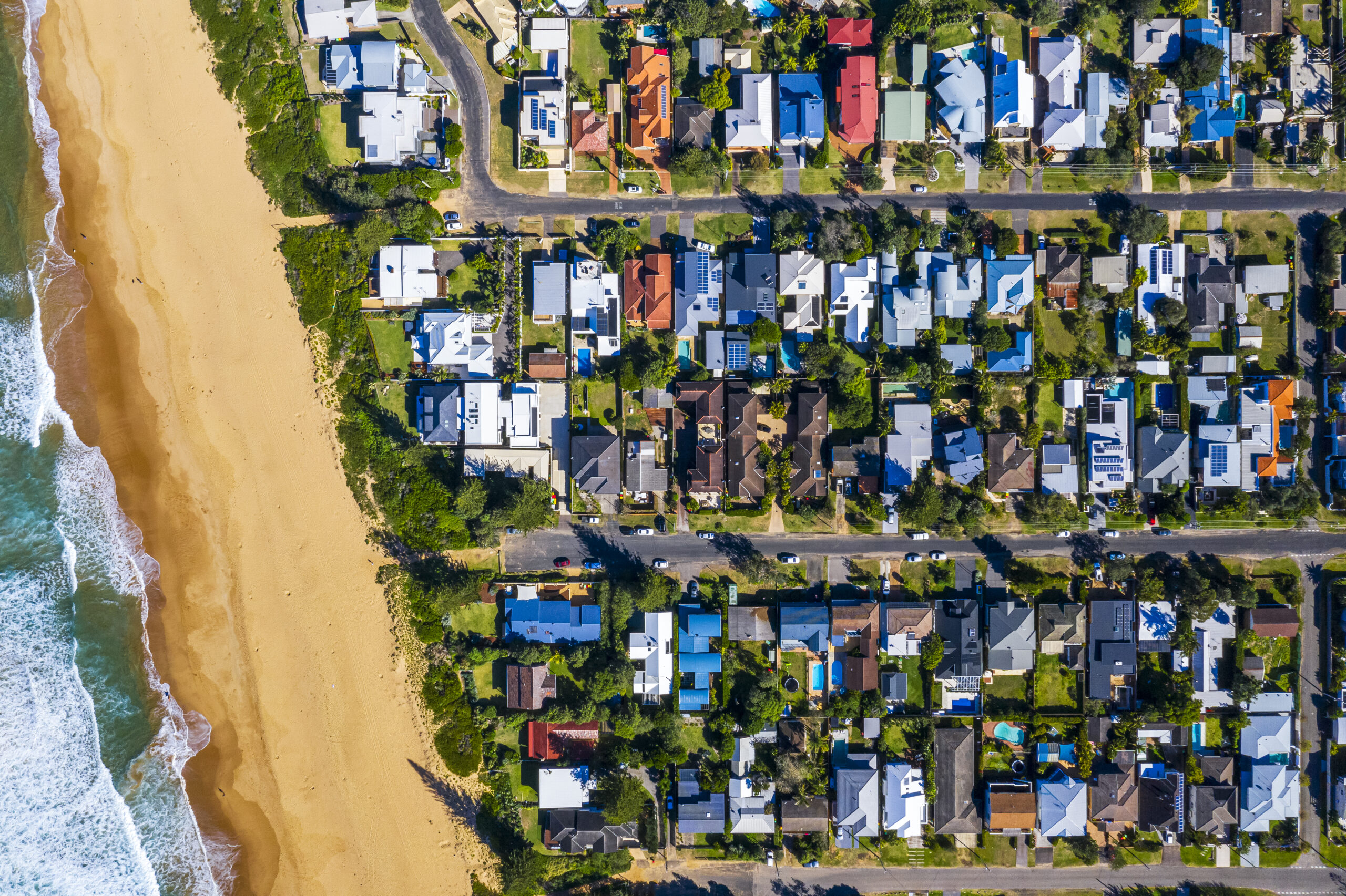
At a local level, affordability measures are especially overstretched in the more desirable parts of Sydney, Melbourne and various beachside hotspots. In these markets, pricing more reflects desirability, rather than any affordability constraints.
The affordable path ahead
Given these challenges, there is a turning point for affordability ahead, particularly with the expected peak and decline in mortgage rates. Over time, buyers will also economise via shifts to more affordable apartments, suburbs or even cities.
Strategies around the affordability cycle
For investors and lenders, there are predictable shifts in demand patterns ahead, especially in an environment of considerable housing undersupply, and a need for would be buyers to manage their entry into the housing market.